Josika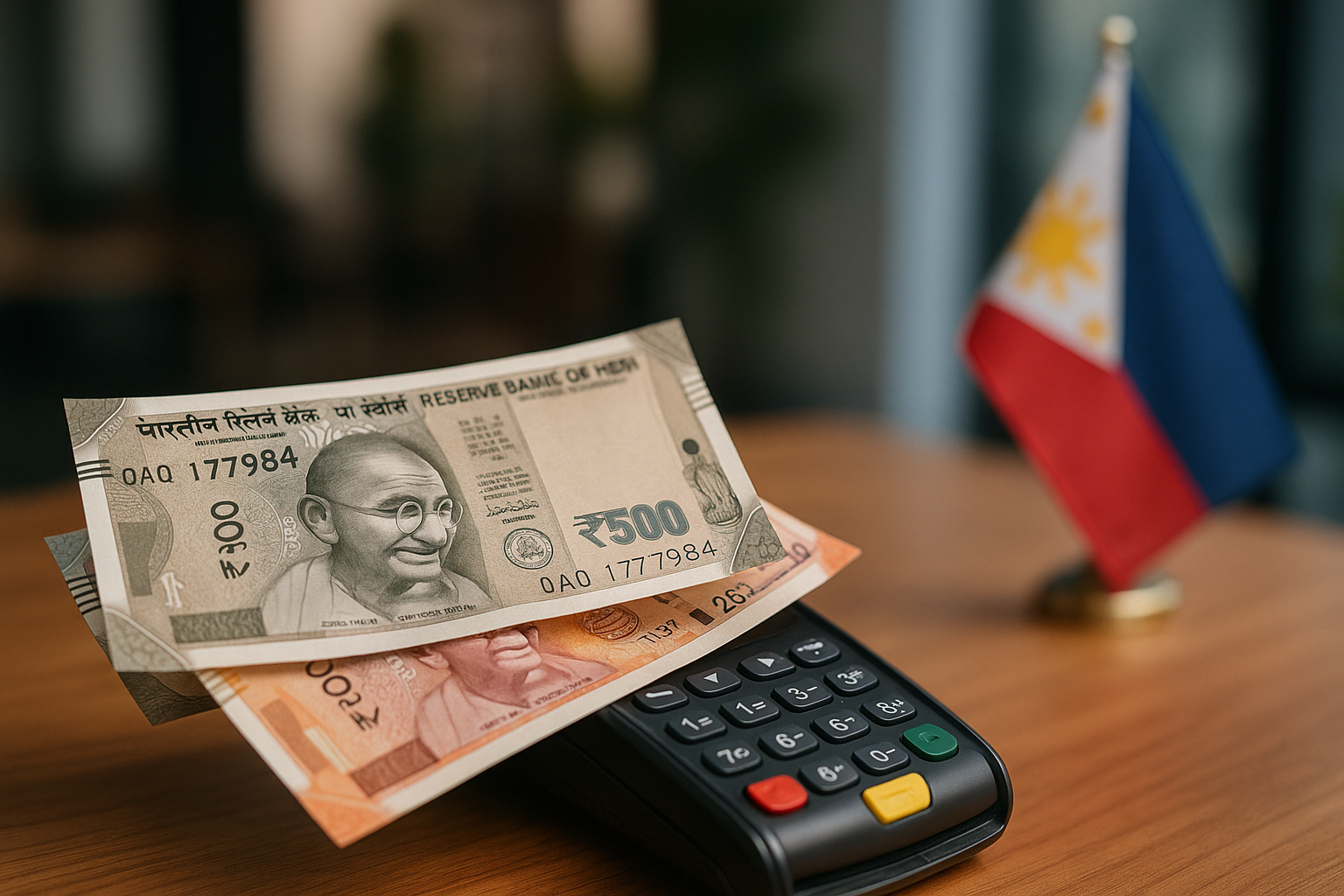
Introduction
Asia’s financial sector is undergoing a transformation marked by digital acceleration, new technologies, and the rise of customer-centric fintech ecosystems. Two standout models in this evolution are the rapidly growing 菲律宾支付 system and the long-established yet innovative structure surrounding indian currency.
Although these markets differ in size, population, and economic history, they share a common goal: enabling faster, safer, and more inclusive transactions for every citizen. By examining how indian currency evolved alongside groundbreaking digital payment tools, we can better understand the opportunities ahead for the philippines payment environment.
This article explores the growth trajectory of the Philippines, extracting lessons from India’s journey—from cash-heavy foundations to one of the world’s most advanced digital payment ecosystems. Understanding these parallels and contrasts helps forecast the future of financial technology across Southeast Asia.
Understanding the Philippines Payment Landscape in 2025
The philippines payment system has entered a high-growth phase driven by technology adoption, mobile wallet expansion, and government initiatives promoting financial inclusion.
Key Drivers of Growth
- Digital wallet penetration
Platforms like GCash and Maya transformed payments by making mobile transactions easy for both urban and rural populations. - Unified QR adoption
QR Ph enables merchants and customers to use a standard QR code across banking and wallet platforms. - Real-time payment rails
Instant bank transfers support everything from daily purchases to small business operations. - Growing e-commerce integration
Online marketplaces reinforce the need for seamless digital payments. - Financial inclusion efforts
Millions who previously had no access to traditional banking now participate in the digital economy.
Due to these combined factors, the philippines payment ecosystem has grown from a convenience into a necessity—much like India’s path years earlier.
Understanding Indian Currency and Its Transformation
To understand what the Philippines can learn, we must examine indian currency not just as physical money, but as a pillar supporting India’s digital modernization.
India historically relied heavily on cash. However, policy reforms, technological innovation, and a booming fintech sector reshaped the role of indian currency, pairing cash with digital tools that now support nearly every sector of society.
Key Elements of the Indian Currency Ecosystem
- Multiple denominations used across diverse regions
- Deep cultural preference for cash transactions
- Parallel growth of digital payment infrastructures
- Integration of rural and urban financial systems
- Government support for digitization and transparency
This combination of strong traditional roots and forward-thinking digital adoption positions indian currency as a unique model for countries undergoing rapid fintech growth—such as the Philippines.
Lessons the Philippines Payment System Can Learn from Indian Currency Trends
By studying how indian currency integrated with modern digital systems, several insights emerge that could shape the future of philippines payment development.
Insight 1: Digital Payments Grow Stronger When Paired With Cash Options
India’s success came from acknowledging the coexistence of cash and digital payments. Instead of replacing indian currency, digital platforms complemented it.
Similarly, the philippines payment framework is likely to evolve faster if it continues supporting users who still rely on cash—particularly in remote provinces—while providing seamless paths for transitioning into digital usage.
How This Insight Applies to the Philippines
- Encourage digital literacy programs.
- Maintain hybrid cash–digital infrastructures.
- Convert high-cash regions using incentives, not restrictions.
- Offer user-friendly tools for first-time digital adopters.
Insight 2: Interoperability Accelerates Ecosystem Growth
One of India’s greatest achievements is its highly interoperable payment ecosystem. Regardless of which app or bank users choose, transactions move instantly and securely.
For the philippines payment environment, deeper interoperability between banks, wallets, and remittance channels will significantly boost long-term efficiency.
What the Philippines Could Strengthen
- Expand QR Ph coverage.
- Integrate remittance networks more tightly with domestic systems.
- Allow smoother transfers between wallets and bank accounts.
- Promote open-banking architecture for fintech innovation.
Insight 3: Merchant Acceptance Is the Foundation of Mass Adoption
India’s digital explosion happened when small shops, street vendors, and micro-entrepreneurs began accepting digital payments tied to indian currency.
The Philippines is already seeing similar behavior, but the adoption curve can accelerate further.
What the Philippines Can Improve
- Encourage microbusinesses to adopt digital payments.
- Reduce fees for small merchants.
- Offer incentives for QR Ph acceptance.
- Provide simple onboarding processes for informal sellers.
A broad, merchant-driven acceptance enhances the usability of philippines payment tools, making them indispensable to daily transactions.
Insight 4: Government-Led Digitization Shapes Financial Behavior
The rapid expansion of digital payments in India was largely driven by policy support and national programs.
Government-backed initiatives built trust in digital transactions and reshaped how indian currency flows through the economy.
Application for the Philippines
- Nationwide campaigns encouraging digital education
- Stronger identity integration for secure payments
- Clear consumer protections to build trust
- Regulatory support for wallet operators and banks
Such initiatives help ensure that philippines payment channels become a safe and reliable part of everyday life.
Comparing Philippines Payment Growth to Indian Currency Adoption Patterns
The similarities between both markets reveal clear parallels.
Stage of Digitization
| Category | Philippines Payment | Indian Currency Environment |
| Digital maturity | Growing rapidly | Highly mature |
| Rural adoption | Moderate | Very high |
| Cash usage | Still significant | Declining but strong |
| Interoperability | Improving | Highly advanced |
| Merchant penetration | Growing | Near-universal |
This comparison shows where the Philippines is heading—and how indian currency insights can shorten the journey.
Consumer Behavior
Indian consumers gradually adopted digital payments because tools matched their daily needs, from microtransactions to major purchases.
For the Philippines, tailoring digital services to reflect local lifestyles—transport, food delivery, marketplace selling—will boost engagement.
Key Areas of Consumer Alignment
- Low transaction fees
- Fast processing times
- Multi-purpose financial apps
- Incentive-driven usage
These approaches help keep philippines payment momentum strong.
Infrastructure Gaps and Opportunities
India built an extensive digital payment infrastructure that supports the scale of indian currency circulation.
The Philippines is improving rapidly but still faces opportunities in:
- Expanding network reliability
- Enhancing rural connectivity
- Strengthening fintech collaboration
- Supporting businesses with digital transformation
Learning from India, infrastructure investment remains central to long-term progress.
The Role of Remittances in Philippines Payment Growth
India receives global remittances, but the Philippines depends on them at an even larger scale relative to population size.
Why This Matters
- Filipinos abroad rely heavily on fast, affordable money transfers.
- Remittances flow directly into daily consumption and savings.
- Integration with digital wallets increases financial inclusion.
The Philippines can draw inspiration from India’s financial railways to make cross-border remittances even more efficient.
Security, Trust, and User Confidence
India strengthened trust in digital payments through a combination of regulations, security frameworks, and awareness campaigns.
For the Philippines, trust in digital processes is still growing. Users want assurance that the philippines payment systems they use are safe and reliable.
How to Build Trust
- Implement stronger authentication layers
- Launch anti-fraud awareness programs
- Ensure fast dispute resolution mechanisms
- Provide transparent fee structures
Following India’s model helps grow confidence in digital alternatives to cash.
Future Trends: What Indian Currency Insights Reveal About What’s Ahead for the Philippines
India’s journey offers a glimpse into where the Philippines could be headed.
Rise of Super Apps
India now features multi-service apps that combine payments, shopping, booking, and financial services.
The Philippines already shows signs of this evolution, and we can expect:
- More services bundled inside digital wallets
- Easier access to loans, investments, and savings
- Enhanced lifestyle features
These trends align the philippines payment system with global digital expectations.
Deeper Financial Inclusion
India’s digital evolution brought banking infrastructure to millions.
The Philippines is experiencing the same transformation through:
- Mobile wallet onboarding
- Digital ID verification
- Low-cost online banking solutions
By adapting the lessons learned from indian currency integration patterns, financial inclusion in the Philippines will accelerate.
Digital Rupee vs. Digital Peso Concepts
India is experimenting with digital versions of indian currency through central bank digital currency (CBDC) initiatives.
The Philippines is studying similar innovations, and future possibilities include:
- Digital Peso integration into wallets
- Enhanced cross-border payment efficiency
- Reduced reliance on physical currency
These experiments could reshape philippines payment structures in the next decade.
AI-Driven Financial Tools
India’s fintech boom heavily incorporates AI for fraud detection, credit scoring, and user recommendations.
The Philippines could adopt similar advancements:
- AI-based credit risk models
- Predictive spending insights
- Automated budgeting tools
- Enhanced merchant analytics
These innovations add depth and personalization to the philippines payment ecosystem.
Forecast: What the Philippines Payment System May Look Like by 2030
Drawing insights from indian currency modernization, experts anticipate several major developments in the Philippines:
Expected Changes
- Digital payments dominating over cash
- Full interoperability across banking and wallet platforms
- QR Ph becoming a universal merchant standard
- Mass adoption in rural and remote areas
- Significant reduction in transaction fees
- More fintech–bank partnerships
Economic Impact
- More efficient tax collection
- Improved credit access for individuals and small businesses
- Heightened transparency and lower fraud risk
- Faster circulation of money supporting national growth
The Philippines is poised to enter a transformative decade—much like India did before becoming a global digital finance leader.
Conclusion
The remarkable growth of the philippines payment ecosystem mirrors the early expansion stages of India’s financial transformation. By examining how 印度货币 integrated into a digital-first model and how India overcame infrastructure, cultural, and economic barriers, the Philippines gains a roadmap for sustainable development.
The future looks promising. With strategic innovation, inclusive financial programs, and lessons taken from India’s experience, the Philippines is positioned to build a resilient, modern, and dynamic payment landscape that empowers individuals, businesses, and the entire economy.